
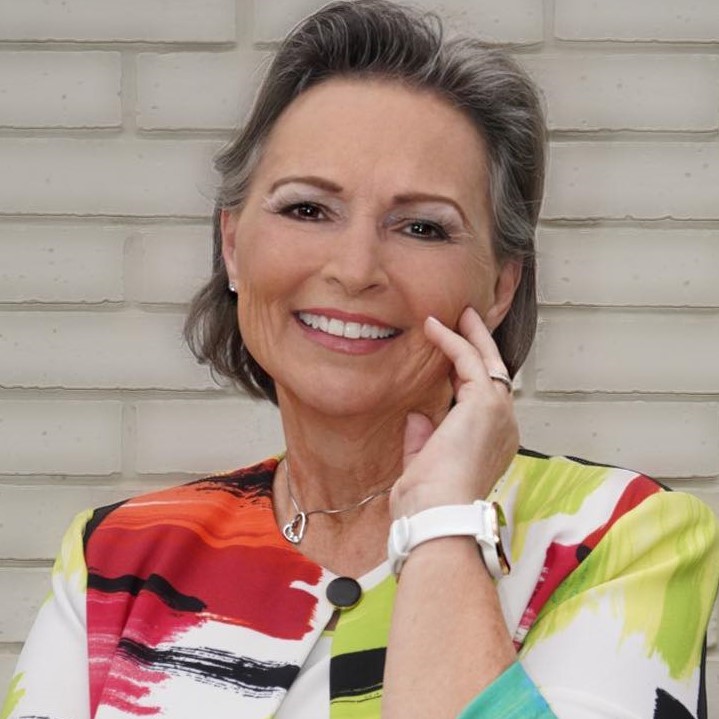

By Teena Myers
I started writing when I taught an adult Sunday school class in the late 90s. Initially, the Sunday School Superintendent gave me curriculum to teach. When he asked me what book I wanted to teach next, I said the Bible, and that was the end of using a curriculum that had already been outlined for me to follow.
A rough outline, which was more like a list of the major points I wanted to cover, became the foundation I used to teach. One day, a single mother from Honduras walked into my class with a cassette recorder. She planned to record my lessons and translate them into Spanish, so she could put them on the radio in her homeland.
I was flattered that she thought Honduras needed me, but I really did not think it would work. She worked as a hairdresser, raising two children alone. I doubted she could afford to accomplish her goal. But I don’t like to discourage people. Better to help them and let them find out for themselves what works and what doesn’t.
The audio on the cassette was difficult to hear, so I tried to help her by writing everything I planned to say. That is when I discovered plotting before you write does not work for me. I wrote a detailed outline and start typing. When I finished something completely different, and a thousand times better, ended up on paper. After throwing away a few outlines, I stopped making them.
That was sufficient for Elise to accomplish her goal I assumed. Until other students began asking for copies and telling me, “You should be published,” which I ignored as lunacy until God shut the door on teaching and pursuing publishing became my only option.
I quickly learned that messy, unedited lessons written from a stream of consciousness should not be published. They were a repetitious random collection of thoughts that I understood when I wrote them, but difficult for the reader to follow.
Today, I write from a stream of consciousness, which makes me a pantser (one who writes by the seat of their pants). Then I shift gears and outline the messy collection of thoughts, which makes me a plotter. Incorporating both methods leaves the door open for creativity, and the structure of an outline offers a coherent message for the reader. And that is how I became a Planster; a hybrid of both methods.
© Teena Myers 2019
Leave a Reply